

.png)
Carrying her 1-year-old son on her back, Tsering Dolma herds a dozen yaks into a stone-walled corral as evening approaches in the desolate mountains of India’s remote Ladakh region.
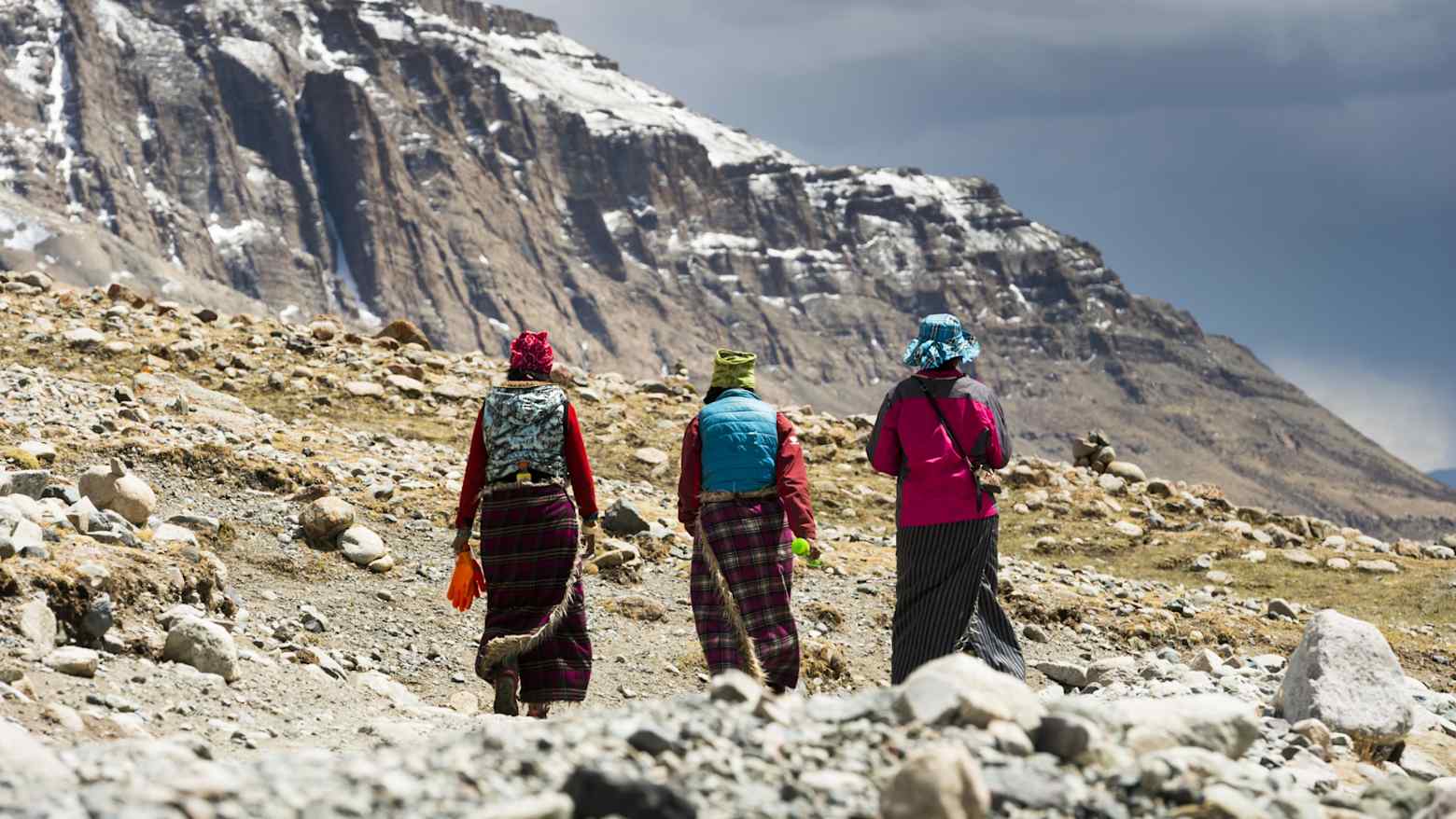
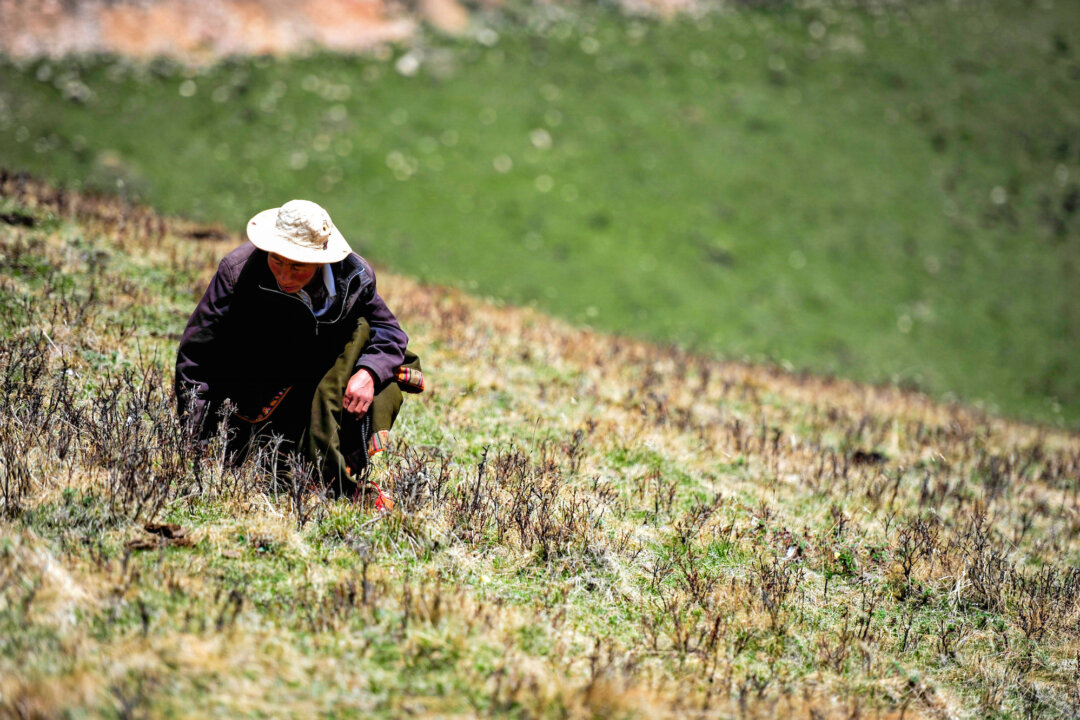
A few herders tending livestock are the only people visible for miles on the wind-swept plains where patchy grass gives way to gravelly foothills and stony peaks. For generations, herders such as Dolma have relied on snowmelt that trickled down the mountain folds to sustain the high-altitude pastures where their herds graze. But now, herders say, the snow and rain are less predictable, and there is less grass for yaks to eat.
“Earlier, it used to snow and rain, but now it has reduced a lot,” the 32-year-old says. “Even the winters are getting warmer than before.”
Much of the herding, milking and gathering of wool is done by women in Ladakh, an area near




 (1).jpg)
 (1).jpg)
 (1).jpg)
 (1).jpg)
 (1).jpg)


